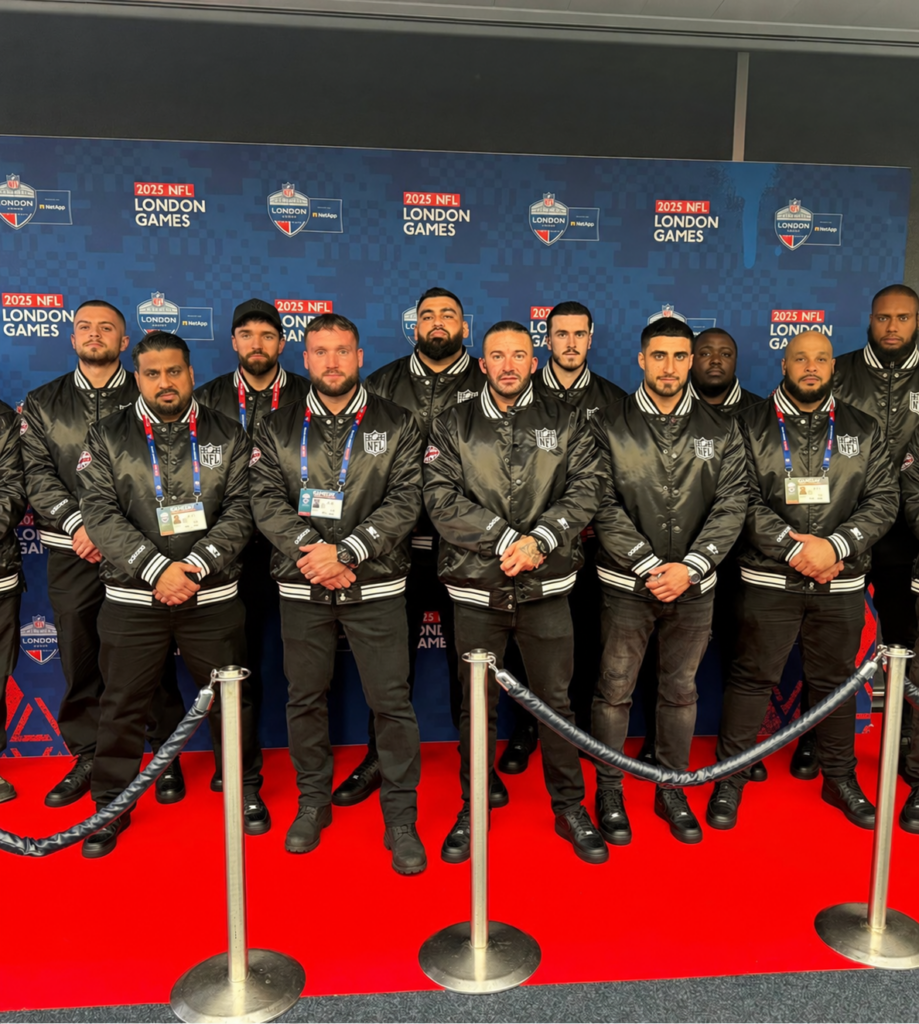
A door supervisor and a security guard are both private-security roles that require the correct SIA licence for the work being undertaken. The practical difference is usually the operating environment: door supervision is commonly associated with licensed, public-facing venues and access management, while security guarding is commonly used for premises such as offices, sites and assets. A client should define the actual duties and verify the licence required for those duties before deployment.
What does a door supervisor do?
A door supervisor helps a venue manage access, visitor flow, behaviour and incidents in a calm, professional manner. At a venue, this may involve checking entry arrangements, managing queues, communicating with guests and staff, responding to incidents and helping the venue follow its agreed procedures. The role should support a safe customer experience rather than rely on confrontation.
What does a security guard do?
A security guard is commonly deployed to protect premises, people and assets in settings such as offices, retail locations, construction sites and other commercial environments. Typical arrangements can include access control, patrols, observation, incident reporting and escalation in line with a site-specific brief. The correct assignment always depends on the setting, risk profile and activities expected of the officer.
How are the licences different?
The SIA lists separate licence-linked qualifications for door supervisor and security guard licences. Both are front-line licences and the SIA requires applicants to hold the relevant licence-linked qualification before applying. Current guidance also sets out refresher requirements for renewals in the circumstances it describes. The role title alone is not enough: clients should verify that each individual has the current licence appropriate to the work they will perform.
What should a venue or business check before hiring?
- The duties: identify what the officer will actually be asked to do, including access, visitor handling, patrols and incident response.
- The licence: check that the individual holds the correct SIA licence for the agreed role using the public register.
- The operating brief: agree escalation, communications, presentation standards and site-specific procedures before the first shift.
- The right service model: decide whether a public-facing door-supervision arrangement, a guarding deployment or a combined plan best fits the premises.
When should a venue use door supervision?
Door supervision may be appropriate where a venue needs a visible, customer-facing security presence around entry, guest flows or public-facing operations. The number of people required and the procedures they follow should be based on the venue’s own risk assessment, licensing conditions and operating model. There is no universal staffing ratio that is suitable for every venue.
How SSS can help
Special Service Security can discuss the operating context, help define a practical brief and provide a professional security arrangement aligned to the venue or premises. For event, hospitality or nightlife requirements, see our door supervision service or contact the SSS team to discuss the site.
Published by Special Service Security. Reviewed 23 September 2026. This article is general operational information, not legal advice. Verify current licence status through the SIA licence register and review the SIA’s current licence-linked training guidance for the role in question.